
you own three of these already
Novelty Homeware
The Balance Organ From Inside Your Head, In Plastic
A 21cm model of the semicircular canals — the fluid loops in your inner ear that tell you which way is up. Fluid actually moves.
Buy this nonsense$50.40(sponsored link, opens in a new tab)- anatomical model
- inner ear
- semicircular canal
- science decor
- medical model
- desk object
What Is This Thing?
A white plastic model of the semicircular canals: the three fluid-filled loops buried in your inner ear that report which way your head is tilting. It stands about 21cm wide and 15cm tall, and the loops are transparent so the fluid inside can be seen shifting when the model is moved.
That last part is why it exists. It is sold as a teaching aid — tip it, and the otolithic fluid lags behind exactly as it does in your skull, which is the entire mechanism of balance and also of motion sickness.
Why You Don't Need It
You have two of these already, factory-installed, and they have been working without maintenance since before you were born. Buying a third in plastic contributes nothing to your sense of balance.
It is also, at fifty dollars, the second most expensive thing here, and it is a model of a part of the body most people could not name.
Why You'll Buy It Anyway
Nearly every anatomical model on the market is a heart, a skull, a spine or an eye. Those are organs people have already pictured. Almost nobody has pictured this one, which means it is the rare desk object that a visitor cannot identify and has to ask about.
And the answer is genuinely good: this is the reason you get dizzy when you spin, the reason ballet dancers snap their heads round on a turn, and the reason a ship in a swell makes people ill. It is a small piece of hardware that explains a large amount of everyday experience.


Who It's Actually For
Medical and audiology students, who are the intended buyers and will get real use from it. Physiotherapists working on vestibular rehabilitation, where explaining this to a patient with a diagram is genuinely harder than handing them the object.
And everyone else: people who like objects that need a sentence of explanation, and who would rather have a strange white sculpture on a shelf than a normal one.
before you click buy
The fluid demonstration is the selling point, so check the reviews for whether it actually flows visibly or whether the loops are simply moulded clear. Those are two very different products at the same price.
Check the base too. A model this shape is top-heavy, and the listing images show it both on a stand and held in a hand.
more things nobody needs

not all ninety-two, obviously
Novelty Homeware
The Periodic Table, With The Actual Elements Inside It
A 23cm acrylic block with real samples of the elements sealed into their own cells, lit from a wooden base.
Buy this nonsense$70.55$30.83(sponsored link, opens in a new tab)
19cm of unsolicited philosophy
Novelty Homeware
A Full-Size Human Skull For Your Bookshelf
A 1:1 human skull replica with articulated-looking jaw and aged resin finish, 19cm tall. Not a medical model, not quite a toy.
Buy this nonsense$22.55(sponsored link, opens in a new tab)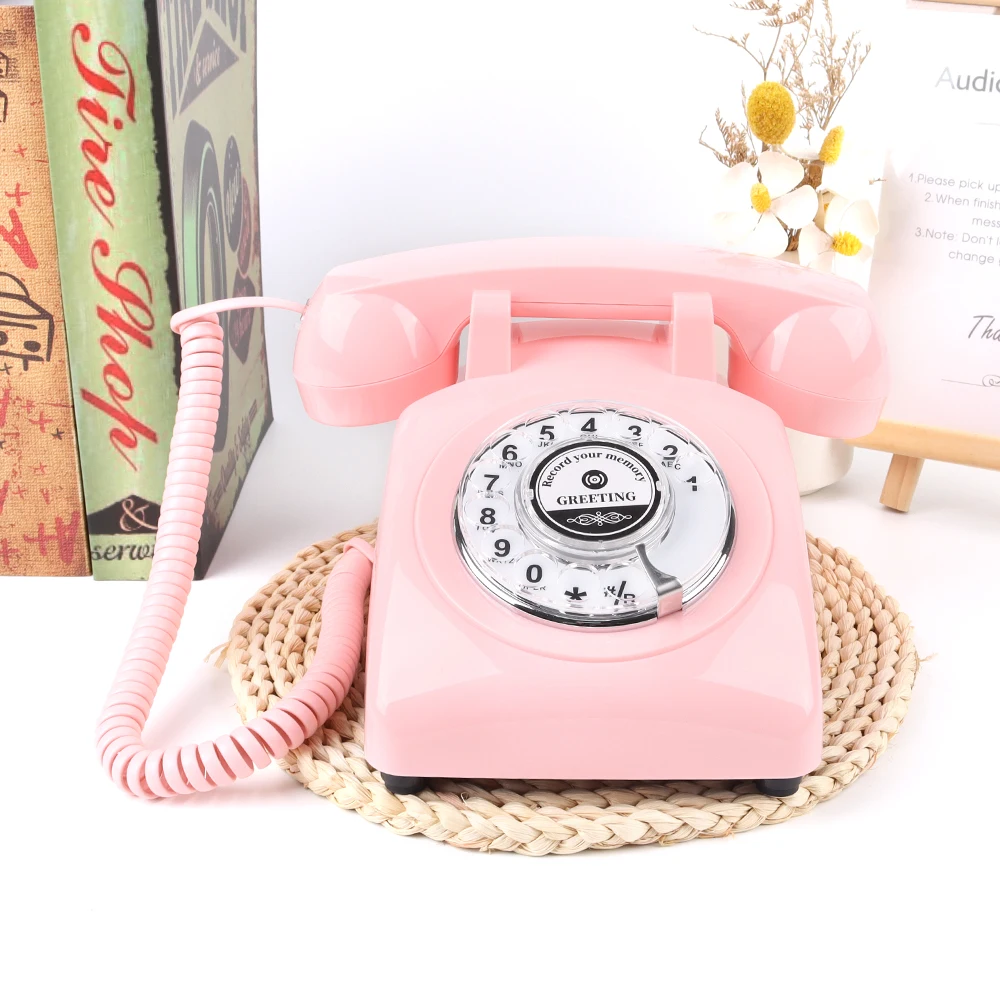
the dial does nothing
Novelty Homeware
The Rotary Phone That Records Your Wedding Guests
A 1960s-style rotary telephone that records a message onto an SD card when a guest lifts the receiver. Six colours, no phone line.
Buy this nonsense$92.88(sponsored link, opens in a new tab)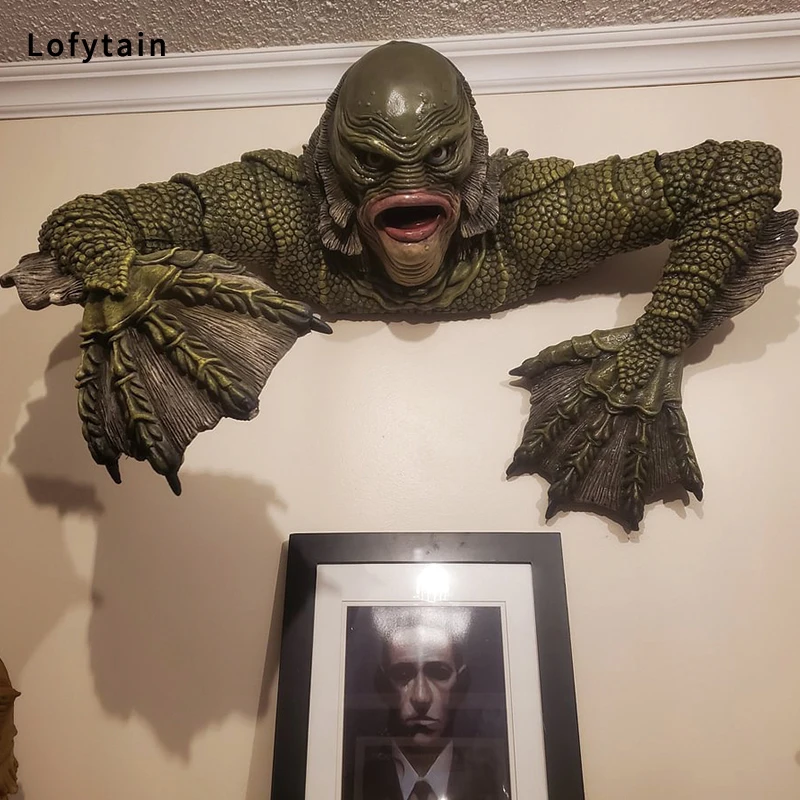
33cm of unwelcome guest
Novelty Homeware
The Lizard Man Climbing Out Of Your Wall
A green swamp-creature torso that mounts on a wall or shelf so it appears to be hauling itself into the room. 33cm wide.
Buy this nonsense$44.89$20.65(sponsored link, opens in a new tab)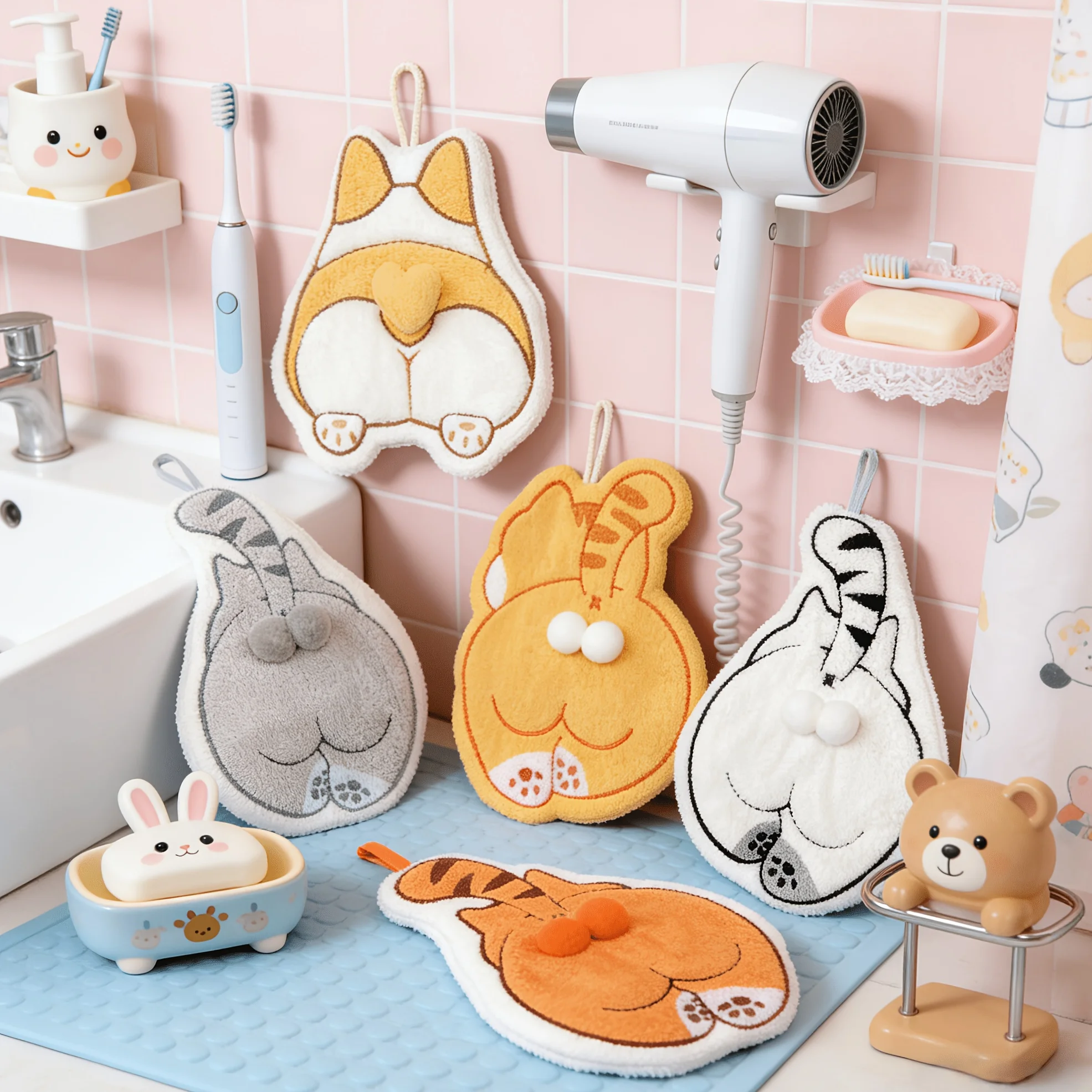
you will have to explain this
Novelty Homeware
The Hand Towel Shaped Like a Cat's Backside
A plush hanging hand towel cut into the shape of an animal's rear end, complete with pompom tail. For kitchens and bathrooms with nothing to prove.
Buy this nonsense$8.65$3.72(sponsored link, opens in a new tab)
16cm of unearned nostalgia
Novelty Homeware
A Hula Dancer For A Dashboard You Do Not Have
A 16cm hula dancer in a raffia skirt, sprung at the hips so she sways when the car does. Adhesive base, no tiki bar required.
Buy this nonsense$23.13$11.57(sponsored link, opens in a new tab)